
Top 10 New Books of 2025:
#1 The Man on the Steps by JR Roberts

Goodreads 4.6 28 ratings / 7 reviews
Quick take: A moving contemporary romance about love after loss, The Man on the Steps follows Lysander, a grieving widower on the edge of despair, and Bria, a compassionate woman scarred by her own loss. Together, they discover comfort, healing, and fiery passion in each other in a slow burn that transforms grief into hope, and longing into love.
What works:
- Emotional resonance: The characters are believable, with vulnerabilities that make their attraction feel earned. The gradual unfolding of trust is one of the book’s strengths. Multi-POV narration lets each main character’s perspective shine, adding depth and dimension to their relationships
- Setting & mood: Set against the backdrop of Chicago, the scenes on the steps trace the gradual unfolding of their relationship. It isn’t where key conversations take place, but where subtle moments—shared glances, quiet offerings, unspoken gestures—gather weight over time. With the city’s pulse in the distance, these hushed exchanges become the quiet force that propels Lysander toward changing his life for the better.
- Tension & conflict: The slow burn makes the eventual intimacy feel powerful. Their emotional journey aligns with the physical one, which heightens both the romance and the passion.
What might not:
- Pace: The novel lingers in grief and emotional weight early on, which may feel heavy to readers who prefer lighter or more fast-moving romance.
- Familiar tropes are at play—miscommunication, fear of vulnerability, learning to trust again and may feel predictable for seasoned readers.
Vibe & tropes: Slow-burn romance • found healing in love • emotional vulnerability • first-time intimacy • small-scale setting with emotional weight • healing from past hurt through passion.
Heat level: 🔥🔥🔥🔥 (4/5). The romance moves from tender restraint to explicit intimacy. Back-to-back chapters of detailed lovemaking elevate the sensuality above sweet fade-to-black. It’s emotional and passionate, with the sexual content woven into the story’s emotional arc.
Content notes: The novel includes emotionally heavy themes—loss, healing, vulnerability, and rebuilding trust. Readers should expect detailed, consensual intimacy scenes (particularly their first time together). There are no depictions of violence or coercion, but the themes of grief and emotional scars may resonate deeply for some.
Verdict: The Man on the Steps is a breathtakingly heartfelt romance that proves love can bloom even in the shadow of grief. Its strength lies in its slow buildup, allowing the eventual intimacy to feel both earned and electric. JR Roberts weaves tenderness and passion with rare skill, creating a story that is as emotionally profound as it is sensual. The intimacy between the characters is not only deeply satisfying but also layered with vulnerability, healing, and trust. Every page carries weight, from quiet conversations on the steps to the fiery chapters of lovemaking that feel both raw and reverent. This is the kind of romance that lingers long after you close the book—an unforgettable journey of loss, love, and the courage to begin again.
Book-Critic Score 4.9/5
As an Amazon Associate I earn from qualifying purchases.
#2 Cursed Daughters by Oyinkan Braithwaite
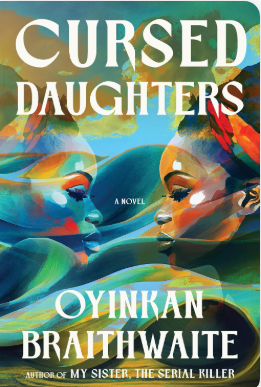
4.39 Goodreads 110 ratings / 61 reviews
Quick take: A rich, generational family saga steeped in superstition and longing, Cursed Daughters follows the Falodun women in Lagos as they live under a matrilineal curse that seems to doom them to heartbreak. Braithwaite blends heartache, humor, and eerie tradition in a story about identity, family expectations, and the fight to be seen—and to love—on one’s own terms.
What works:
- The multilayered perspective: alternating viewpoints (Ebun, Eniiyi, Monife) and timelines give depth to each character. We see the past (Monife’s tragedy), the aftermath (Ebun’s coping), and the future/hope (Eniiyi’s struggle with identity) in ways that illuminate how legacy shapes lives.
- Setting & atmosphere: Lagos comes alive—the family compound, the creaky house, the folklore, local beliefs, the way superstition and skepticism coexist. Braithwaite anchors the wildness of the curse in real emotional stakes.
- Emotional complexity: The characters’ doubts, guilt, grief, and hope feel real. The way women’s relationships (aunt, cousin, mother, daughter) are weighed down by both love and burden builds powerful conflict. Ebun’s rational outlook clashes with family beliefs; Eniiyi fights her “destiny.”
- Tone that balances sorrow and irony: There are tragic moments, but Braithwaite’s voice includes dry wit, tension, emotional release, which helps the seriousness breathe. The supernatural suspicion is present but treated ambiguously so the reader stays in question.
What might not:
- Some predictability: Because the “curse” narrative has familiar tropes, certain plot beats—especially around love, betrayal, superstition—may feel expected to readers used to the genre.
- Emotional pacing: At times the narrative dips in intensity, particularly when weaving back over past decades or handling internal reflections, which might slow the momentum for some readers.
- Curse ambiguity could frustrate: The question of whether the curse is real, purely superstition, or a product of family expectation / generational trauma isn’t fully resolved. For readers wanting a more definitive supernatural answer or a clearer “magic vs logic” balance, that ambiguity might feel unsatisfying.
Vibe & tropes: Generational curse • family secrets & inheritance • superstition vs science • reincarnation / resemblance of child to deceased relative • women fighting against expectations • Lagos / Nigerian setting with cultural specificity • coming-of-age under burden • love that risks repeating past mistakes • past/present timeline shifts.
Content notes: Cursed Daughters contains themes of grief, heartbreak, emotional trauma, and the cultural weight of family expectations. Monife’s suicide, societal pressure on women’s romantic lives, the generational shadow of failed relationships and superstition all feature prominently. There are moments of threat, despair, questioning of faith and identity. Some domestic conflicts, emotional abuse or neglect are implied more than explicit. No heavy gore; the darkness is psychological, relational, and sometimes supernatural in suggestion. Also, there is sensitive treatment of death, loss, and the weight of comparison (particularly for the child, Eniiyi, who is constantly compared to her deceased aunt).
Verdict: Cursed Daughters is a powerful, emotionally rich novel that explores what it means to live under the shadow of beliefs we may inherit unwillingly. Oyinkan Braithwaite manages to make superstition feel real without losing the logic of her characters or their agency. This is not a comfort read—but for those who like stories of family, culture, identity, and the supernatural ambiguous enough to leave you thinking, it’s among the best new literary works of this year.
Book-Critic Score: 4.5/5
As an Amazon Associate I earn from qualifying purchases.
#3 Wanting by Claire Jia
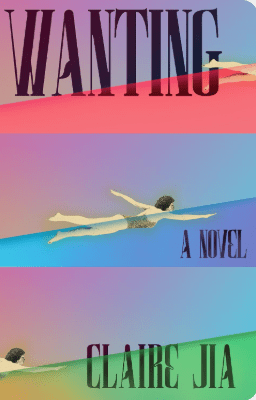
Goodreads 3.9 406 ratings / 120 reviews
Quick take: An emotionally rich debut that explores the ache of comparison, friendship, and dreams deferred. Wanting weaves together the lives of three characters—Ye Lian, Luo Wenyu, and Song Chen—whose ambitions and regrets collide in modern Beijing. It’s a novel of longing and self-reflection, where the pursuit of “what you could have had” becomes as powerful as the life you’re actually living.
What works:
- Strong character-driven narrative: The three POVs (Lian, Wenyu, and Chen) offer different lenses on yearning—professional, romantic, familial—and Jia gives each a distinct voice and burden.
- Vivid setting & cultural texture: Beijing’s elite circles, influencer culture, luxury real estate juxtaposed with internal emptiness—all are rendered vividly. The contrasts between what things look like vs. how they feel give the setting emotional weight.
- Themes of envy, identity, and “the dream”: The tension between what society expects versus what each character secretly wants drives much of the internal conflict. Jia probes how social media, childhood memories, and standards of success impact self-worth.
- Emotional honesty and regret: Not just yearning, but also reckoning—Jia doesn’t shy from exploring what happens when choices are made (or avoided), when paths diverge, and when we must face the cost of wanting.
What might not:
- The pacing in early sections is deliberate, sometimes slow: character introspection and buildup take time before the plot tension ramps up. Some readers might prefer more immediate stakes.
- Not all character arcs reach full resolution; while Lian and Chen’s journeys feel more developed, Wenyu’s internal transformation is somewhat more opaque, which may leave some wanting more clarity.
- Some cultural or pop culture references (e.g. influencer life, Western media‐obsessions) might feel less resonant for readers unfamiliar with those spaces, or for whom those tropes feel overused.
Vibe & tropes:
Literary fiction • envy & comparison • dual / multiple POVs • “what if” life vs “what is” life • friendship rekindled after distance/time • influencer culture / social media pressure • ambition vs tradition • regret, longing, identity.
Content notes: This novel contains emotional material: jealousy, dissatisfaction, the pressure to conform, romantic longing, and regret. Characters wrestle with internal disillusionment, threatened stability, and the gap between external appearance and internal yearning. There are some references to intimate relationships, but it leans more on emotional than explicit sexual content. No graphic or violent scenes; heaviness comes from internal conflict and regret rather than external crisis.
Verdict: Wanting is a beautifully rendered debut that promises much—Claire Jia paints with empathy, insight, and a perceptive eye for the quiet heartbreak that ambition carries. If you appreciate novels that dwell in interior lives, that weigh what we wish for against what we actually have, this is one you’ll carry after closing the book. For readers who like emotional sincerity, complex friendships, and characters whose wants sometimes hurt as much as they inspire—Wanting is a powerful reminder that longing is part of being alive.
Book-Critic Score 3.8/5 stars.
As an Amazon Associate I earn from qualifying purchases.
#4 Fallen’s First by Kassidy Coursey
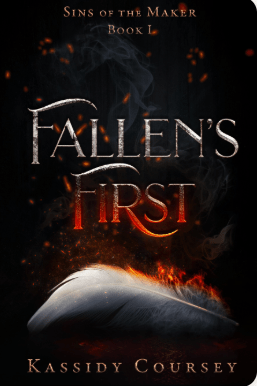
Goodreads 4.52 54 ratings / 42 reviews
Quick take: A dark fantasy debut that reimagines demons, damnation, and desire. Fallen’s First follows Saer, the demon of Pride, who has pledged loyalty to Lucifer—until a forbidden love with Neyu (Lust) forces him to question everything he’s ever believed. Power, pain, and the fight for selfhood glue this story together in gorgeous, gut-wrenching prose.
What works:
- Rich mythological worldbuilding & premise. Using the Seven Deadly Sins as embodied characters and launching an origin story for Lucifer’s first demon gives the book immediate emotional and cosmic stakes.
- Emotional depth & internal conflict. Saer’s struggle with his vows, his identity, and his burgeoning feelings for Neyu are powerful. This is not just about romance, but about what obedience, rebellion, and love cost.
- Strong supporting cast & sibling dynamics. The siblings (other sins) bring needed tension, contrast, and conflict, especially the twins who push against Saer in ways that illuminate his personality and choices.
- Dark fantasy + romance blend. The romance subplot burns with tension—both sensual pull and moral consequences—while the fantasy side delivers betrayal, power plays, and supernatural politics that propel the plot.
What might not:
- Slow build & pacing. The early chapters spend a lot of time establishing lore, hierarchy, and character obligations. Some readers may feel the plot takes time to “turn on” romance or action.
- Triggering themes & high emotional intensity. There are themes of abuse, submission to an unyielding authority (Lucifer), emotional betrayal, and moral compromise. May be heavy for readers wanting lighter or less dark fantasy-romance.
- Romance more subplot than main focus (at least early on). While the pull between Saer and Neyu is central in many ways, the book spends much of its narrative weight on cosmic, supernatural, and familial stakes, which might not satisfy readers looking for steamy or immediate romance.
Vibe & tropes: Dark fantasy • forbidden love • origin story of sin & demon • found(ish) family among demon siblings • obedience vs rebellion • emotional wounds & self-discovery • supernatural hierarchy • sacrifice & betrayal.
Heat scale:🔥🔥 (2 / 5). The romance includes on-page intimacy and sensual tension, but it’s woven into a dark, lore-heavy fantasy world where supernatural politics and emotional stakes take center stage. Readers should expect forbidden attraction, emotional intensity, and some explicit moments, but not the constant or graphic steam of high-heat romance.
Content notes: This book contains mature and intense content. There are themes of demonic duty, obedience to Lucifer, betrayal, and manipulation. Romance includes sensual/explicit elements (on-page intimacy, tension, pull) though not always central. The characters grapple with grief, guilt, betrayal, identity, and power dynamics. There are also darker aspects: supernatural violence, emotional trauma, possibly abusive dynamics (power imbalance, enforced loyalty, supernatural coercion). Reader discretion advised for those sensitive to abuse, strong authority/control themes, and moral ambiguity.
Verdict: Fallen’s First is a fierce, lush start to Kassidy Coursey’s Sins of the Maker series. Its greatest gift is its capacity to make you feel—pain, longing, guilt, defiance—while weaving horror and romance into a seamless, addictive mix. If you like your fantasy morally complicated, your romance thorny, and your characters battling both external powers and their own flaws, this is one to watch.
Book-Critic Score 4.4/5 stars.
As an Amazon Associate I earn from qualifying purchases.
#5 No One Aboard by Emy McGuire
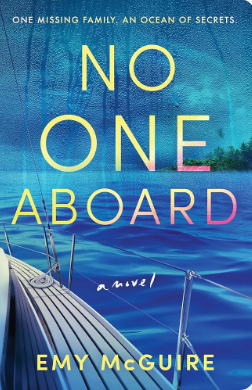
Goodreads 4.33 39 ratings / 14 reviews
Quick take: A claustrophobic, sun-and-salt mystery, No One Aboard begins with a luxury sailboat found adrift and empty—and quickly reveals that nothing about the Cameron family trip is as idyllic as it seemed. If you love suspense, secrets, and moral rot beneath polished surfaces, this one will have you turning pages into the night.
What works:
- Tension & atmosphere: The maritime setting delivers isolation and danger (“open sea + secrets”) in a vivid way. The sense that something is very wrong builds steadily, and flashbacks deepen the dread.
- Family dysfunction & secrets: The Cameron family’s outward glamour is peeled back layer by layer—betrayals, resentment, hidden motives—all of which sharpen the mystery. This contrast between surface and heartache adds emotional weight.
- Mystery structure & suspense: McGuire mixes past and present, lets unanswered questions pile up, and uses the empty ship as both symbol and puzzle. The reader is compelled to stitch together what happened—and who is responsible.
What might not:
- Some contrivances: There are moments where the plot depends on coincidences or connections that feel a bit forced (for example, the link between the patriarch and the man who finds the yacht). That can strain credibility for readers who prefer tightly logical mysteries.
- Flashback pacing: While the dual timelines increase tension, some transitions slow the momentum—readers eager for continuous forward motion might find parts of the backstory drag before new revelations emerge.
- Predictable elements: The “missing family, luxurious setting gone wrong” setup is familiar, and a few plot twists are foreshadowed in ways that a seasoned mystery reader might spot early.
Vibe & tropes: Domestic mystery • claustrophobic isolation • luxury + wealth hiding rot • the ghost ship / empty vessel trope • dual timelines • family secrets & betrayal • “whodunnit with moral ambiguity” • sea + danger.
Content notes: The book includes psychological tension, emotional betrayal, familial conflict, and secrets. There is no emphasis on graphic violence in the previews, although danger and threat—both environmental (the ocean, isolation) and interpersonal (lies, mistrust)—are central. Some unsettling moments: disappearance, the fear of the unknown, moral ambiguity. The tone leans moody and suspenseful, rather than gore or horror.
Verdict: No One Aboard is a compelling debut that will satisfy readers who like their mysteries with atmosphere, hidden family skeletons, and a ticking-clock sense of dread. While not everything in the backstory lands equally, the plot’s momentum, emotional stakes, and McGuire’s ability to make the sea feel both beautiful and menacing make this a strong recommendation. If you enjoy a well-wired domestic thriller with waves of betrayal, this one’s for you.
Book-Critic Score 4.5/5 stars.
As an Amazon Associate I earn from qualifying purchases.
#6 The Golden Phoenix and the Blue Jackal by Chris Mustache
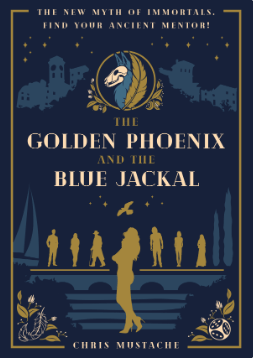
Goodreads 4.18 44 ratings / 13 reviews
Quick take: A mythic fable wrapped in whimsy and danger. The Golden Phoenix and the Blue Jackal spins a tale of unlikely companionship, betrayal, and redemption as two creatures from opposite worlds test the boundaries of trust in their quest for survival.
What works:
- Folkloric flair. Mustache’s prose reads like an oral tale passed down through generations, with rhythms that evoke campfire storytelling.
- Symbolism with bite. The phoenix’s fire and the jackal’s cunning aren’t just traits, but metaphors for resilience, temptation, and the human drive to endure.
- Compact but resonant. At novella length, the story wastes little time, yet manages to build emotional heft through archetypal characters and moral tension.
What might not:
- Lean on archetypes. The characters can feel more like symbols than flesh-and-blood beings, which may limit emotional immersion for some readers.
- Simple arc. Readers seeking sprawling worldbuilding or complex plots might find the story too pared down.
Vibe & tropes: Animal fable • unlikely allies • betrayal and trust • fire vs. shadow • mythic journey • moral parable.
Content notes: Themes of death and rebirth; betrayal by a trusted companion; fire as destructive and purifying force; allegorical predation and survival stakes.
Verdict: A modern fable that feels timeless, The Golden Phoenix and the Blue Jackal charms with its simplicity while still carrying teeth. Perfect for readers who enjoy myth retellings, moral parables, or folklore given fresh life.
Book Critic Score 4.0/5 stars
As an Amazon Associate I earn from qualifying purchases.
#7 The Deep Lake by Vitor M.C. Rodrigues
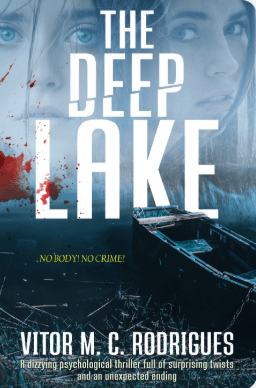
Not Yet Published
Quick take: A meditative literary thriller steeped in mystery and memory. The Deep Lake follows a grieving narrator who returns to a lakeside town haunted by silence, loss, and the pull of unfinished stories, blending psychological tension with lyrical reflection.
What works:
- Atmospheric prose. Rodrigues crafts sentences that feel like ripples on water—lyrical, measured, and resonant with emotional undertow.
- Psychological depth. The narrative burrows into grief, longing, and the fragility of memory, making the protagonist’s inner world as tense as the external mystery.
- Setting as character. The lake itself looms large—both mirror and abyss—providing an eerie, symbolic backdrop that ties the story’s threads together.
What might not:
- Deliberate pacing. Readers wanting a fast-moving mystery may find the book’s quiet rhythms slow.
- Abstract structure. Shifts between memory, dream, and present-day blur boundaries, which some may find disorienting.
Vibe & tropes: Lyrical thriller • grief-haunted return • memory as labyrinth • nature as mirror • small-town secrets • water as metaphor.
Content notes: Grief, death of loved ones, drowning imagery, mental health struggles, existential despair, ambiguous relationships.
Verdict: Haunting and contemplative, The Deep Lake is less a traditional thriller and more a poetic exploration of grief and memory’s pull. Best suited for readers who appreciate slow-burn, atmospheric fiction that lingers long after the last page.
Book-Critic Score 4.2/5 stars
As an Amazon Associate I earn from qualifying purchases.
#8 The After Hours by Aspen Andersen
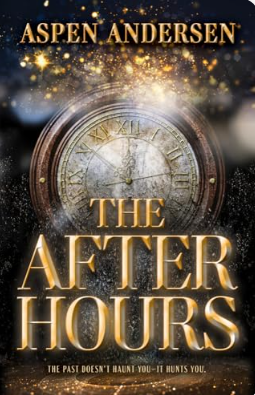
Goodreads 4.22 68 ratings / 48 reviews
Quick take: A sultry workplace romance with secrets behind glass doors. The After Hours explores desire, ambition, and blurred boundaries as late nights at the office turn into a dangerous mix of passion and consequence.
What works:
- Tension-filled setup. Andersen captures the thrill of late-night offices—the quiet hum of fluorescent lights, the intimacy of being the last two people in the building.
- Chemistry that crackles. The push and pull between attraction and professionalism keeps pages turning.
- Atmosphere of secrecy. The locked-room vibe heightens both the romance and the risk, adding spice to every stolen moment.
What might not:
- Predictable beats. Some readers may find familiar tropes—boss/employee dynamics, late-night confessions—without many twists.
- Heat over depth. While the steam delivers, emotional arcs occasionally take a backseat.
Vibe & tropes: Office romance • forbidden desire • slow-burn to steamy • late-night confessions • power dynamics • secrets behind closed doors.
Heat Level: 🔥🔥🔥 (Moderate to high heat). Emotional stakes are moderate, but sexual tension and explicit scenes are front and center.
Content notes: Explicit sexual content; boss/employee dynamic with consent emphasized; mentions of workplace gossip; secrecy and lying by omission.
Verdict: Spicy and indulgent, The After Hours is perfect for readers craving a late-night escape into forbidden office romance. It delivers exactly what its title promises: passion that ignites after the lights go out.
Book-Critic Score 4.3/5
As an Amazon Associate I earn from qualifying purchases.
#9 Witch Queen Rising by Savannah Stephens
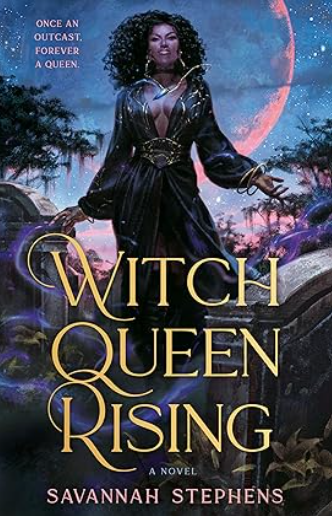
Goodreads 4.59 17 ratings / 10 reviews
Quick take: A dark, feminist fantasy of rebellion and rebirth. Witch Queen Rising follows a betrayed sorceress who claws her way back from ruin to seize the throne, blending court intrigue, elemental magic, and the intoxicating pull of vengeance.
What works:
- Magical power plays. Stephens delivers vivid, cinematic magic fueled by rage and resilience, making every battle scene pulse with energy.
- Compelling heroine. The protagonist’s journey from scorned exile to ascendant queen is both cathartic and inspiring.
- Political intrigue. Treacherous allies, backroom deals, and royal betrayals give the narrative a sharp edge beyond the magic.
What might not:
- Intensity of vengeance. Readers seeking lighter fantasy may find the focus on rage and retribution overwhelming.
- Familiar beats. Some tropes—fallen queen reclaiming power, blood-soaked ascension—may feel predictable to seasoned fantasy readers.
Vibe & tropes: Dark fantasy • vengeance quest • dethroned to queen • found family among rebels • elemental sorcery • courtly betrayal • women wielding power unapologetically.
Content notes: Graphic violence and bloodshed; betrayal by loved ones; torture and imprisonment; death of allies; dark magic rituals; sexual coercion referenced.
Verdict: Bold and unflinching, Witch Queen Rising is a fierce tale of survival, vengeance, and the reclamation of power. Perfect for fans of morally complex heroines and fantasy that doesn’t shy away from the shadows.
Book-Critic Score 4.0/5
As an Amazon Associate I earn from qualifying purchases.
#10 A Guardian and a Thief by Megha Majumdar
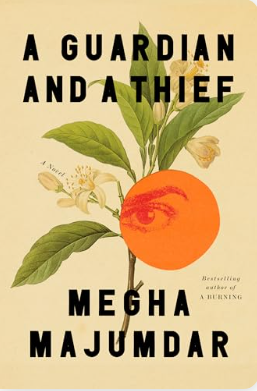
Goodreads 4.2 45 ratings / 23 reviews
Quick take: A morally complex, climate-shadowed thriller set over a week in Kolkata, where a stolen purse and critical passports throw two desperate families into collision. Majumdar explores how survival distorts right and wrong—and how sometimes both “guardian” and “thief” live within every person.
What works:
- The setting is vivid and immediate: near-future Kolkata warps under heat, drought, food scarcity, flooding. The climate crisis isn’t just backdrop—it shapes everything: choices, desperation, politics. Majumdar makes the stakes feel both global and heartbreakingly local.
- Dual perspectives are balanced. Ma (mother), her daughter Mishti and elderly father Dadu, want escape via visas; Boomba, a teenager, steals those very documents in a bid to protect his own family. Neither is purely virtuous or villainous. This grey morality builds tension and empathy.
- Pacing & structure: over just one week, the novel propels forward with urgency. The timeline, the collision of small, personal acts with larger social collapse, keeps the narrative tight.
- Prose & emotional tone: poetic but unflinching. Majumdar doesn’t soften the suffering or the hard choices, but she also finds moments of dignity, love, and hope amid the collapse. That contrast heightens what’s at risk.
What might not:
- The bleakness is intense. For readers who prefer light or hopeful spec-fiction, this may feel heavy—there’s little relief, and many acts of survival require moral compromise.
- Some emotional connection gaps. A few readers report being less able to bond with certain characters—not due to writing style, which is strong, but because the hardships are so consuming that personality traits get overshadowed by survival logistics.
- Underexplored climate/tech details. While the environment is vivid, the mechanisms of climate collapse or scarcity sometimes remain more poetic than explicitly developed; some readers may want more specifics of what caused shortages, how structurally society is responding.
Vibe & tropes: Near-future dystopia • climate crisis as plot catalyst • immigration/climate visas • moral ambiguity • two POVs (“guardian” vs “thief”) • family sacrifice • urban survival under environmental collapse • desperation pushing people beyond usual ethics.
Content notes: This is a literary fiction novel with challenging content: food scarcity, environmental suffering, desperation, theft, moral compromise. There are scenes of hunger, economic collapse, threatened displacement. Emotional weight includes fear, grief, shame, anxiety over safety and future. No graphic violence or explicit content is the central focus, but threat and suffering are ever present. The tone is serious and occasionally harsh; readers sensitive to depictions of destitution or climate-trauma may find some scenes heavy.
Verdict: A Guardian and a Thief is a powerful, timely novel that doesn’t concede easy moral answers. It asks what we might do when survival demands things we’re not proud of, and how hope can coexist with compromise. Majumdar confirms her place as a writer keenly aware of how climate, inequality, and familial love intersect. If you read it, bring courage: this is not a comfort read, but it’s one that will stay with you.
Book-Critic Score 4.1/5
As an Amazon Associate I earn from qualifying purchases.
 book-critic.com