Top 10 Best Selling Mystery Novels:
#1 The Crash by Freida McFadden
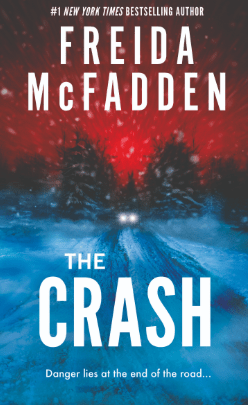
Goodreads 3.7 468,683 ratings / 40,801 reviews
Quick take: A snowbound psychological thriller about a pregnant woman stranded with a broken ankle who stumbles into danger under the guise of rescue. The Crash delivers tension, maternal fear, and suspense—but flashes of melodrama and predictability hold it back from being truly unforgettable.
What works:
- The premise is strong: pregnant, vulnerable protagonist + isolation in a blizzard + a cabin that seems safe but isn’t. That setup creates immediate atmospheric tension.
- McFadden’s pacing in the early parts is effective. The crash, injury, and rescue hook you in quickly, and there’s enough mystery early on about who is helping, who can’t be trusted, and what secrets are being hidden.
- Themes of motherhood, survival, trust, and betrayal are woven in in emotionally resonant ways. The relationship between Tegan (the main character), the unborn child, and her decisions under pressure make the danger feel personally felt.
What might not:
- Some twists feel under-built or forced. When unexpected revelations arrive, they can sometimes stretch credulity or feel more like plot turns than character-driven outcomes.
- The middle of the book drags in places. Moments of dialogue and description tend to repeat tension rather than build it, so momentum dips before the final act.
- Character choices occasionally stretch believability (especially around decisions made while injured, trusting people too quickly, etc.). Some readers might find that the setting and stakes require characters to act more cautiously than they do.
Vibe & tropes: Snowstorm isolation • psychological thriller • pregnancy + vulnerability • rescue / safe haven gone wrong • hidden motives • maternal fear • stranger danger • twist reveals • survival under duress. • secrets with consequences • end-of-chapter gasp moments.
Thrill Factor: 🔎🔎🔎🔎 (3.5 out of 5). The danger feels real, especially given Tegan’s injury and isolation, with several strong moments of dread and uncertainty. However, the suspense dips in the middle, and some twists feel less shocking than expected, keeping it from maximum edge-of-your-seat intensity.
Content notes: The novel contains scenes of physical injury (car crash leading to broken leg/ankle), environmental danger (blizzard, being stranded), and moments of psychological manipulation and deceit. Trust is betrayed, secrets about past trauma and relationships come to light, including sexual assault in flashback form. There are also elements of kidnapping and captivity in the sense of being trapped in a cabin under false pretenses. Mild gore (injuries, medical concerns) is present. The emotional content is heavy, especially regarding pregnancy risk, maternal fear, and mental stress.
Verdict: The Crash is a suspenseful, emotionally charged thriller that succeeds most when leaning into its isolation, fear for the unborn, and betrayal. It’s especially effective for readers who like psychological tension and the vulnerability of maternal stakes. However, if you expect plot twists to feel sturdy, mystery to deepen steadily, or characters to always behave logically under duress, you may find parts of this fall short.
Book-Critic Score: 4.1/5
As an Amazon Associate I earn from qualifying purchases.
#2 The Ghostwriter by Julie Clark
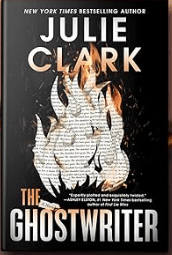
Goodreads 4.1 39,343 ratings / 6,533 reviews
Quick take: A slow-burn family mystery wrapped in dual timelines, with a ghostwriter daughter unearthing past horrors of her father’s childhood. The Ghostwriter explores loyalty, memory, and guilt as much as whodunit intrigue—and while it takes its time, it delivers emotional punches and solid suspense.
What works:
- Strong dual timelines: The story shifts between 1975 and the present with grace—Vincent Taylor’s trauma as a teenager, combined with Olivia Dumont’s current struggle, complement each other in tension and character.
- Character focus: Olivia, stuck with career setbacks and secrets about her father, is a compelling protagonist. Her investigations, moral doubts, and emotional arc feel real. Vincent’s decline (including his dementia) adds vulnerability and the risk that truth may never fully emerge.
- Atmosphere & setting: Quiet California town, old videotapes, diaries, memory-gaps, and the shadows of the past mingle to create an unsettling, atmospheric read. The way Clark uses small, intimate family spaces (homes, childhood bedrooms, possessions) to reflect the larger mystery works well.
- Emotional weight: The story isn’t just about solving a murder; it’s about forgiveness (or not), the cost of silence, how a family narrative can distort over time, and how children grow with half-truths. Clark leans into these themes without completely sacrificing the mystery.
What might not:
- The pacing is uneven: for much of the middle, suspense ebbs. The mystery is compelling, but the build to certain revelations feels less urgent than the opening and closing.
- Some mysteries aren’t fully resolved: Certain clues and character motivations remain vague or ambiguous. If you like clean answers, this may frustrate you.
- Emotional heaviness might weigh more than plot momentum for some readers. The grief, shame, memories, and internal conflicts sometimes dominate, reducing drive in parts of the plot.
- Unreliable narration + memory loss plot device can feel familiar. The use of dementia, diaries, fragmented memories has been done before in mystery/thriller space; Clark does it well, but it doesn’t always surprise.
Vibe & tropes: Dual timelines • generational family secrets • estranged parent/child • unreliable memory / dementia • cold case murder from childhood • confession vs legacy • ghostwriter as investigator • small town whispers • past traumas coming back.
Thrill Factor: 🔎🔎🔎🔎 (4 out of 5). The mystery pulls you in gently but steadily, and several twists land well. The emotional stakes amplify the suspense. It’s not a heart-racing thriller every page, but it sustains enough tension and curiosity to keep you turning pages.
Content notes: This novel deals with death and the aftermath of violent crime: two siblings murdered decades ago, with the surviving sibling long suspected but never convicted. There are scenes and descriptions of family trauma, emotional abuse (in the sense of long-held shame, guilt, secrets), and illness (Vincent’s dementia). Olivia works through diaries and old videotapes—some material is unsettling, especially as it reveals childhood violence and betrayal. The book touches on themes of mental decline, memory loss, and how people cope (or fail to) with past grief. There is also strong emotional content, including shame, estrangement, and the weight of secrecy. Violent details are present, but the focus is more on mystery, psychological distress, and emotional truth rather than graphic gore.
Verdict: The Ghostwriter is a thoughtful, richly emotional take on a family mystery. If you enjoy solving puzzles slowly and care as much about the people hidden behind the clues as the clues themselves, this will reward you. It may not deliver nonstop suspense or fully tidy resolutions, but its atmosphere, character work, and the way the past and present intertwine make it a compelling read.
Book-Critic Score 4.3/5
As an Amazon Associate I earn from qualifying purchases.
#3 Family of Liars: The Prequel to We Were Liars by E. Lockhart
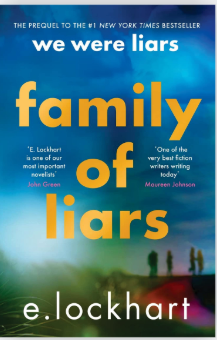
Goodreads 3.77 137,145 ratings / 12,310 reviews
Quick take: A rich, atmospheric prequel that fills in the shadows behind We Were Liars, exploring grief, privilege, and deceit in the Sinclair family. It doesn’t hit quite the exact punch of the original, but its messed-up characters, emotional depth, and haunting twists make it hauntingly satisfying.
What works:
- Compelling unreliable narration: Carrie, as both teenager and adult reflecting back, has enough flaws (addiction, secrets, lies) that I couldn’t fully trust her. That makes her perspective gripping—every revelation feels earned yet painful.
- Atmosphere of wealth + repression: Lockhart captures how privilege, expectation, and family image can suppress truth. The opulence of summers, the private guilt, the gloss of perfection hiding rot underneath—it’s vividly done.
- Twists and moral complexity: The plot gives surprises—not just plot-twists (who is related to whom, what Carrie’s mother did, etc.), but moral ones: what Carrie did, what she believes, her guilt, and how the family justified or hid things. The idea that “blood isn’t what matters most” carries weight.
- Writing style & voice: Lockhart’s prose is deceptively simple; she doesn’t lean on extravagant descriptions, but the voice—Carrie’s guilt, confusion, sorrow—is strong. The dialogue among the Sinclair sisters rings convincingly teenage and yet wounded.
What might not:
- Less impact than its predecessor: Because We Were Liars set such a high bar, parts of this book feel more like filling in background than creating fresh shock. Some reveals that were powerful feel inevitable in hindsight.
- Certain character depth uneven: Some members of the Sinclair clan feel less developed or overshadowed by Carrie’s emotional arc. Siblings and side characters sometimes blend into Carrie’s perspective rather than standing fully apart.
- Pacing dips and emotional compression: Some of the heavier revelations or tragedies feel rushed over; for instance, deaths or key family moments sometimes pass without full exploration. It’s emotionally heavy, but also too quick at times.
- Familiar tropes: Addiction, privileged family secret, unreliable narrator, ghost‐visits—all are familiar territory. The book feels more comfortable wearing its tropes than reinventing them. Readers well-versed in YA domestic suspense may see some plot beats before they hit.
Vibe & tropes:
Domestic suspense • wealthy family secrets • unreliable narrator • addiction/memory distortion • privilege and image vs truth • grief & loss • sibling relationships strained • prequel revealing hidden family history • twist toward the end.
Thrill Factor: 🔎🔎🔎🔎 (4 out of 5). The tension builds steadily; while it’s not a nonstop thriller, the emotional stakes, secrets, and gradual revelations made me keep turning pages. Enough suspense, enough ambiguity, and moments that actually surprised me.
Content notes: This novel deals with heavy emotional themes: Carrie’s guilt, grief over her brother’s death and her mother’s actions, substance abuse (pills), and family trauma. Secrets and lies are central—some cover-ups, betrayals, infidelity. There are references to past tragedies (death, addiction), emotional distress, and mental health issues. Also, the book includes a ghost motif (Carrie speaking to Johnny’s ghost), so there’s a supernatural/psychological element in terms of grief recognition. The tone is melancholic and introspective; it’s psychological more than graphically violent, but there are moments of emotional shock and moral discomfort.
Verdict: Family of Liars does the difficult work of being a prequel: it deepens what We Were Liars introduced without merely rehashing it. It’s emotionally rich, morally complicated, and while it doesn’t always match the raw twist-shock of the original, it earns its place. If you loved We Were Liars, this will fill in many gaps and haunt you afterward, a kiss-charged and energetic series opener that should hit the sweet spot for romantasy fans who like danger with their desire.
Book-Critic Score 4.4/5 stars.
As an Amazon Associate I earn from qualifying purchases.
#4 Strange Pictures by Uketsu (Author) and Jim Rion (Translator)
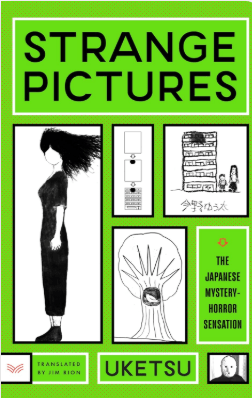
Goodreads 4.0 40,345 ratings / 7,498 reviews
Quick take: A genre-bending mystery that uses drawings, diagrams, and interconnected stories to build creeping dread. Strange Pictures feels like a puzzle box: some pieces are beautiful, others grotesque, and all of them necessary. It’s original, unsettling, and sometimes frustrating—but worth it if you like mysteries that demand your attention and chill you slowly.
What works:
- The use of visuals is integral—not just decoration. Drawings, smudged pictures, dying sketches, and blog snapshots are woven into the narrative so that the reader becomes part detective, part interpreter.
- Interconnected short stories: Each of the four (or three major plus one connecting) tales builds its own mystery and tone, yet they gradually overlap into a larger tapestry. That layering of timelines (from 1990s through the 2000s to 2010s) gives both a slow burn and increasing stakes.
- The atmosphere of dread and uncanny everyday life: Uketsu makes the mundane (a child’s drawing, a blog, an art teacher’s final piece) feel disturbing. The fear comes more from what’s implied, what’s unseen, what you suspect—but not always see.
- Social and emotional resonance: Beneath the mysteries are themes of motherhood, trauma, economic decline (Japan’s Lost Generation), mental health stigma, the pressures of social norms, etc. These give emotional weight beyond just solving puzzles.
What might not:
- The pacing and logic sometimes strain under the weight of ambition. Some leaps in inference or coincidence seem more convenient than credible. You may spot parts where characters interpret clues very fast, or accept interpretations too readily.
- Writing style is fairly plain: It’s functional, which helps clarity in the puzzle setup, but sometimes lacks lyrical or immersive prose. If you’re reading for lush writing, this might feel spare.
- The interlacing stories mean that some characters never get as much depth, and the shifting points of view or timelines can be disorienting, at least until all threads begin to converge.
- The “open-ended” nature of some mysteries or hints may leave you wanting more closure. Some narrative threads are left ambiguous, which is part of the style—but may frustrate readers expecting clean answers.
Vibe & tropes: Mystery-horror hybrid • illustrated puzzles & clues • multiple timelines • blog / internet artifacts • dying messages & cryptic sketches • missing/abandoned clues • motherhood & trauma as driving force • Japanese cultural & economic backdrop • social horror beneath everyday life.
Thrill Factor: 🔎🔎🔎🔎 (4 out of 5). The suspense builds steadily as pieces fall into place. The pictures especially are chilling when you realize their implications, and the dread lurking behind each story keeps pulling you forward. Not quite “can’t sleep at night” for me, but very effective for its kind.
Content notes: Strange Pictures contains themes and scenes that are disturbing: murder, death, disappearance, abuse (including child abuse), and trauma. Some parts involve violence or its aftermath—gross or grisly in places—even if not always graphically described. Psychological horror is strong: guilt, grief, paranoia, secrets from the past. There’s also social pressure, mental illness, and economic hardship woven in, which deepen the emotional stakes. Some pictures or illustrations can feel unsettling or grotesque. The translation captures all this with clarity, though because much depends on atmosphere and implication, scenes of horror are more disturbing in mood than in explicit gore.
Verdict: Strange Pictures is a daring, inventive mystery-horror hybrid. If you enjoy solving puzzles, being unsettled, and savoring ambiguity, this will reward you: the visuals alone set it apart, and the way stories interlock makes the final reveals satisfying. It’s not perfect—some logic stretches and narrative thinness in parts—but its strengths outweigh its flaws.
Book-Critic Score 4.5/5 stars.
As an Amazon Associate I earn from qualifying purchases.
#5 King of Ashes by S.A. Cosby
Goodreads 4.1 28,704 ratings / 5,418 reviews
Quick take: A raw, violent Southern-crime epic about family loyalty, buried secrets, and how far someone will go when everything they love is threatened. King of Ashes is brutal, morally messy, and emotionally heavy—a novel that shocks as much as it moves.
What works:
- The emotional core is powerful: Roman Carruthers returns home to save his siblings, and long-standing grief, loss, and guilt (especially around their mother’s disappearance) give the story weight.
- Cosby’s Southern noir setting—Jefferson Run, Virginia—is vivid and oppressive, making the decay, poverty, and corruption feel like characters themselves.
- The violence and moral ambiguity are unflinching. Cosby doesn’t let Roman stay clean; he’s forced into brutal choices to try to protect family, and those choices have cost.
- The plot moves with urgency thanks to gang threats, mounting debt, the missing mother mystery, and the pressure cooker of Roman’s return from a life he built elsewhere. There’s tension between what Roman wants to preserve and what he becomes.
What might not:
- Some of the character arcs other than Roman get less development—his sister Neveah and brother Dante are well sketched, but their inner lives feel a bit less fully explored.
- The level of brutality and bleakness may overwhelm readers who prefer cleaner, less visceral crime. This is not a forgiving book.
- A few plot mechanics require suspension of disbelief: how much Roman is expected to juggle crime, finance, betrayal, alliances, etc., all while dealing with personal guilt and family drama. Some moments stretch plausibility.
- Because the tone is dark and the focus heavy on moral decay, there are fewer moments of relief or redemption until very late. For some readers this is wearisome.
Vibe & tropes:
Southern noir • family crime saga • gang debt/retribution • homecoming antihero • missing mother mystery • decaying small town • moral compromise • vengeance & loyalty • underworld vs. legitimate world tension.
Thrill Factor: 🔎🔎🔎🔎🔎 (5 / 5). The threats are real, the stakes sky-high, and you’re constantly wondering what Roman will do next—and whether what he does will cost more than it saves. This one doesn’t let up.
Content notes: This novel is brutal in both physical and emotional senses. There are scenes of graphic violence, including gang brutality, beatings, bodily harm, threats, and murder. There’s also strong psychological trauma: the disappearance of a mother, sins of the past, guilt, substance abuse, self-destructive behavior, family betrayal. Some sexual content is implied, and there is a decidedly adult tone throughout. The backdrop includes corruption, poverty, racism, gang conflict, and loss. Readers should be prepared for intense action, moral ambiguity, and disturbing scenes of cruelty and suffering.
Verdict: King of Ashes is a hard-hitting, morally complex novel that shows S. A. Cosby at his gritty best. It’s perfect if you want crime stories that aren’t sanitized—where the hero is flawed, the villains are terrifying, and the price of loyalty might be becoming what you hate most. It’s not light, not easy, but it’s unforgettable.
Book-Critic Score 4.7/5 stars.
As an Amazon Associate I earn from qualifying purchases.
#6 The Missing Half by Ashley Flowers
Goodreads 3.84 71,597 ratings / 8,181 reviews
Quick take: An emotional and page-turning mystery about family, loss, and secrets, The Missing Half delivers a gripping premise of two sisters determined to uncover their missing siblings’ disappearances. The narrative pulls you in quickly, but the emotional weight and some plot stretch make it a thrilling ride with a few bumps.
What works:
- Strong central relationships & emotional drive: Nic Monroe’s grief over her missing sister and her budding partnership with Jenna Connor, who has her own tragedy, give the mystery heart. The bond between the women, and how the past haunts them, makes this more than just a whodunit.
- Mystery premise that hooks you: Two cold disappearance cases, eerie similarities, a town full of questions, and the idea that the police missed things—all of this builds suspense. Flowers knows how to tease clues without giving everything away.
- Twists & revelations: The ending in particular is satisfying and surprising. While some twists might be foreshadowed, many that land late in the book caught me off guard in a good way.
- Pacing & readability: It’s fast-moving; I found myself turning pages steadily. Even when things slowed down emotionally, the intrigue around the disappearances kept me invested.
What might not:
- Memorable supporting cast & character imbalance: Nic is vividly drawn, flawed in ways that feel real, but some of the others—especially Jenna—are less distinct. Their motivations and backgrounds don’t always feel equally developed.
- Believability & plot holes: I noticed a few places where the logistics or character decisions stretched plausibility. Some reveals feel built for drama more than realism.
- Ending leaves some loose threads: While the final twist is powerful, parts of the resolution feel abrupt or under-explored; a few plot threads don’t close as neatly as one might hope.
- Emotional heaviness may overwhelm some readers: The grief, guilt, trauma, and the sense of loss are heavy and constant; if you read to escape lighter fare, this one presses you to feel.
Vibe & tropes: Small-town mystery • missing person(s) from the past • sisters bonded by tragedy • cold case reopened • grief-driven protagonist • fetch of secrets • misleading clues & red herrings • dual perspective (current investigations + past) • dark emotional undercurrent.
Thrill Factor: 🔎🔎🔎🔎 (4 out of 5). The mystery is solid and keeps up momentum, especially as revelations accumulate and as the sisters dig deeper. The emotional stakes lift the suspense. It loses a little in steadiness toward the end but delivers enough surprises to earn a high rating.
Content notes: The Missing Half deals with heavy emotional themes: a missing sister, long-standing grief, self-destructive behavior (such as substance use or alcohol), guilt, and trauma. There’s tension, threats, investigation into suspicious people, and danger tied to what the missing cases may reveal. Some character behavior is driven by fear, desperation, and emotional overwhelm. The novel doesn’t focus on graphic violence, but the idea of someone vanishing, possible foul play, and betrayal carries a chilling psychological weight. Also, small-town social pressures, judgment, and stigma (for example around Nic’s past mistakes) factor into the tension.
Verdict: The Missing Half is a compelling read for anyone who loves mysteries laced with emotional depth and character pain. It doesn’t always play fair (in terms of realism or neat closure), but the power of its core relationships, the steady build-up of suspense, and the twisty reveal make it more than just another missing-person plot. If you’re up for a mystery that will make you care and maybe even ache, this is one to pick up.
Book Critic Score 4.3/5 stars
As an Amazon Associate I earn from qualifying purchases.
#7 Tell Me What You Did by Carter Wilson
Goodreads 3.73 43,616 ratings / 5,769 reviews
Quick take: A sharp, twisty psychological thriller built around true crime, secrets, and a podcast that changes everything. Poe Webb runs a confession-podcast like none other—but when one guest claims to be her mother’s murderer, long-buried truths force Poe into dangerous territory. Dark, tense, and morally messy.
What works:
- The podcast premise is strong and fresh. Having Poe host a show where people anonymously confess crimes gives an immediate hook, and it sets up great tension over anonymity, exposure, and power.
- Poe Webb is a compelling protagonist, flawed and haunted by her past. Her trauma over her mother’s death, the secret she carries, and how that intersects with her public life builds empathy and dread.
- Alternating timelines deepen the suspense. Switching between the present (when a man claiming to be her mother’s killer shows up) and flashbacks to Poe’s earlier life intensifies the mystery and keeps the stakes layered.
- The antagonist “Ian Hindley” is well done. He feels threatening, calculated, and his leverage over Poe forces her into moral and emotional dilemmas that make the plot compelling.
What might not:
- The pacing wobbles in some middle sections. While the opening draws you in fast and the final act is intense, there are times when suspense slows and Poirot-like plotting or internal monologue weigh down sections.
- Some readers may guess certain plot twists ahead of time. Red herrings abound, but not all are entirely satisfying, and a few reveals feel more expected than shocking.
- Poe’s moral ambiguity is central, but for some this might be uncomfortable: the fact that she has already killed someone tied to her mother’s murder complicates rooting for her completely. The “reveal” about her past asks readers to balance empathy with judgment.
- Because the plot revolves around confession, secrecy, and identity, there are moments where plot convenience—what characters know / don’t know, what’s revealed when—has to be accepted for the sake of story momentum. Some scenes stretch believability slightly.
Vibe & tropes: True crime podcast • unreliable narrator • confession booth style mystery • revenge and guilt • secrets from childhood • cat-and-mouse with a sinister guest • alternating past/present timeline • moral ambiguity in protagonist.
Thrill Factor: 🔎🔎🔎🔎 (4 out of 5). The tension builds well, especially when revelations hit and Poe is forced to question everything she thought she knew. It doesn’t become full-on horror, but the psychological dread, stakes for her relationships, and looming danger from Ian make it gripping throughout.
Content notes: This novel deals with strong themes of trauma, revenge, and guilt. Poe witnessed her mother’s murder as a child and later exacted revenge on the man she believed responsible. There are scenes of violence (stabbings, possible torture or physical threat from Ian), murder, and threats against loved ones. Secrets and lies have emotional weight. The book also explores the burden of confession—what it means to admit something to the world—and how past memories can distort truth. Because of the nature of Poe’s podcast, there are confessions involving serious crimes. Some scenes involve psychological torment, stalking, and threats. The tone is often dark, with minimal relief, although Poe’s relationships (with her dog, father, boyfriend) provide occasional human moments.
Verdict: Tell Me What You Did is a strong entry in psychological thriller territory. Carter Wilson delivers a taut, morally complex story that uses the podcast angle to great effect. It’s not flawless—moments of predictability and pacing slowdowns mean it doesn’t quite hit perfection—but the setup, the villain, and Poe’s internal struggles make it a satisfying and chilling ride. For readers who love dark secrets, twisted protagonists, and confession-style suspense, this is a must-read.
Book-Critic Score 3.9/5 stars
As an Amazon Associate I earn from qualifying purchases.
#8 With a Vengeance by Riley Sager
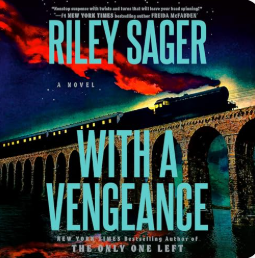
Goodreads 3.39 37,754 ratings / 6,325 reviews
Quick take: A locked-train revenge thriller with period setting, shady characters, and a vengeance-driven premise. With a Vengeance has a gripping setup and chilling potential, though its many twists, crowded cast, and pacing misfires make it less polished than Sager’s best.
What works:
- The premise is fantastic: Anna Matheson lures six people who destroyed her family onto a train for a journey where she intends to confront them—and instead, murder shatters her plan. The train setting, the snowstorm, the isolated journey—all perfect ingredients for tension.
- The atmosphere is strong. Claustrophobic compartments, strict control (locked doors, no stops), and the passage of hours elevate the suspense. The environment (the train) becomes another character.
- Anna’s internal conflict—her grief, her rage, her moral lines—is compelling. Her motivations aren’t flat vengeance; the emotional weight of her past is well-established.
- The homage to classic Christie/Hitchcock style mysteries is fun. Red herrings, conspiracies, locked spaces, each hour bringing new revelations—these make With a Vengeance satisfying as a mystery-lover’s ride.
What might not:
- Too many twists. Some of the plot-twists feel artificial or forced; by trying to surprise constantly, the story can lose credibility and immersion.
- Crowded cast & underdeveloped characters. With six suspects, plus Anna and her side players, keeping everyone distinct is hard; many character arcs feel shallow, especially among the passengers.
- Pacing issues. Even though it’s set across a tension-filled train ride, parts drag: repeated summaries, slow reveals, and too much backstory all delay the full mounting of suspense.
- Suspension of disbelief required. Some plotting logistics—the idea that Anna could control every aspect (locks, stops, staff), that certain players accept invitations without more suspicion, etc.—stretch plausibility. Readers who prefer tight realism might find parts undermined by convenience.
Vibe & tropes:
Locked-train mystery • revenge plot • period setting (1950s) • isolated journey • conspiracy from the past • red herrings • multiple suspects • moral ambiguity • classic Christie / Hitchcock homage.
Thrill Factor: 🔎🔎 (2 / 5). There are strong moments of suspense and the setup is excellent, but the thrill doesn’t always maintain momentum. The middle lulls and some of the twist overload dilute the tension, so while the destination (plot-wise) is satisfying, the journey is uneven.
Content notes: With a Vengeance features characters dealing with deeply traumatic pasts, loss of family members, wrongful accusations, betrayal, and the emotional weight of revenge. There are murders on board the train, hints of violence, and deceit. The setting’s isolation contributes to paranoia. While graphic gore isn’t the main focus, death and its psychological aftermath are central. Also, the period setting implies cultural norms (1950s) that influence behavior, including power imbalances, gender expectations, and societal reputation. The general tone is tense, foreboding, and dark, with moments of emotional vulnerability and moral conflict.
Verdict: With a Vengeance is a strong thriller for fans of locked-room mysteries and revenge narratives. Riley Sager delivers an atmospheric, emotionally driven plot with enough twists to keep you guessing. It doesn’t reach the heights of his very best work—some of the plot mechanics falter under the weight of too many characters and too many surprises—but it’s still a compelling ride. If you enjoy dark, revenge-driven mysteries set in constrained settings, this is well worth your time.
Book-Critic Score 3.1/5
As an Amazon Associate I earn from qualifying purchases.
#9 The Perfect Divorce (Perfect #2) by Jeneva Rose
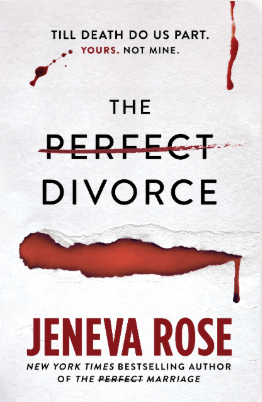
Goodreads 4.03 169,801 ratings / 13,984 reviews
Quick take: A messy, twisty domestic thriller full of ambition, deception, and moral ambiguity. The Perfect Divorce takes familiar mystery elements—removed time, reopened cases, infidelity—and weaves them into a sequel that’s more about character power plays than clean solutions. It delivers suspense, but it also leans into melodrama and occasionally feels overstuffed.
What works:
- Complex main character in Sarah Morgan: Sarah is hard to like, but she’s fascinating. Her choices (and mis-choices) make her unpredictable and compelling, especially as she balances defending her past, managing a bitter divorce, and facing new betrayals.
- Multiple intertwining mysteries: Between Bob’s cheating and the mistress who disappears, new DNA evidence in her first husband’s case, custody battles, and hidden motives, there’s a lot for the reader to untangle. Rose keeps enough unanswered questions to maintain momentum.
- Strong tension & pacing in the later half: While the beginning takes time to reestablish the characters and previous events, once the plot kicks up—disappearances, courtroom threats, exhumed secrets—the pace becomes gripping.
- Signature twists & unreliable alliances: Rose is good at letting characters’ motives shift, pulling away the comfort of certainty. Many alliances are shaky, secrets abound, and even when you think you see the culprit, there’s usually another layer.
What might not:
- Overcrowded plot / too many POVs: With so many mysteries and subplots, and many characters with murky morality, it sometimes becomes hard to keep track of who is trustworthy and what exactly is happening.
- Believability stretched: Some twists require you to suspend disbelief quite far. The degree of manipulation, hidden agendas, and chances characters have to blow themselves up but don’t strain credibility.
- Sequel dependency: If you haven’t read The Perfect Marriage, you’ll miss context. Many callbacks, character motivations, and relationship dynamics assume knowledge of what came before. It isn’t a clean standalone.
- Tone oscillation / melodramatic high points: Some scenes feel so over the top—emotional confrontations, legal brinksmanship, betrayal reveals—that they border on soap opera. For readers who prefer subtler mysteries, that may feel too much.
Vibe & tropes: Domestic suspense • revenge & infidelity • missing mistress • wrongful conviction / reopened case • custody battle • morally gray protagonist • cat-and-mouse between ex-spouses • public image vs private guilt • courtroom drama.
Thrill Factor: 🔎🔎🔎🔎 (4 / 5). I felt pulled through the twists and revelations especially in the second half, and Rose builds up enough tension that you keep wondering who is “good,” who is lying, and who will get their hands dirty first. It loses some steam early on, but by the end the stakes feel real.
Content notes: This novel includes infidelity, betrayal, threats of violence, and disappearance of characters under suspicious circumstances. There is legal and courtroom drama, custody disputes, and moral compromises. Characters act in shady, manipulative ways; false identities or false fronts occur. Emotional violence (manipulation, betrayal, lies) plays a big role, as does the emotional stress of divorce, public reputation, and dark secrets. The content is adult, with mature themes but not overly graphic in gore—though the psychological aspects are intense.
Verdict: If you like twisty domestic thrillers with morally messy characters, The Perfect Divorce delivers enough intrigue and game-playing to make it a compelling ride. It may not be subtle, and some plot turns stretch realism, but the emotional stakes and the sense of danger (legal, relational, secret) make it satisfying. For fans of The Perfect Marriage or anyone who appreciates unreliable characters and high drama, this sequel is worth reading.
Book-Critic Score 4.2/5
As an Amazon Associate I earn from qualifying purchases.
#10 Victorian Psycho by Virginia Feito
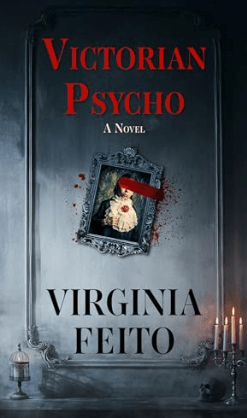
Goodreads 3.57 27,518 ratings / 6,313 reviews
Quick take: A beautifully twisted gothic thriller, Victorian Psycho channels both horror and satire through the lens of a governess with dangerous impulses. It isn’t for the faint of heart — grotesque, unapologetic, and darkly comedic — but for those who want their Victorian tales warped and disturbing, it delivers.
What works:
- Voice & tone: Winifred Notty’s narration is sharp, sardonic, and reliably unhinged. Her internal monologue balances perverse humor with chilling detachment, which makes her both horrifying and fascinating.
- Gothic setting & atmosphere: Ensor House’s cold hallways, dreary grounds, and the oppressive weight of Victorian decorum and hypocrisy all combine to build a mood that creeps under your skin. The seasonal tension approaching Christmas adds to the dread.
- Boundary-pushing darkness: This isn’t just gothic bleakness — the novel leans into graphic violence, psychological horror, perverse desires, gruesome thoughts. It shocks, it repulses, it forces discomfort. Feito doesn’t sugarcoat.
- Subversion & satire: Victorian Psycho plays with the conventions of the “governess” trope, Victorian morality, gender roles, and insanity in ways that feel fresh. It’s not just horror, but a critique of cruelty, hypocrisy, and repressed rage.
What might not:
- Unrelenting bleakness: There’s very little respite. For some readers, the darkness, violence, and moral ambiguity might become fatiguing. The lack of moments of emotional softness or hope means the ride is intense, but also exhausting.
- Character likability (or lack thereof): Winifred is compelling, but almost totally irredeemable. If you prefer sympathetic protagonists, or at least those you can root for, this may be hard to stomach.
- Choppy narrative pacing: Some parts feel disjointed: abrupt transitions, memories or digressions that disrupt the flow. The structure isn’t clean, and the tone can shift quickly from grotesque to surreal to satirical, which may unsettle or distract.
- Graphic content may be more than intended horror lovers expect: The gore, violence, and perverse imagery can go beyond gothic hinting or suggestion into much more visceral territory. This makes it powerful for some readers but possibly overwhelming for others.
Vibe & tropes: Gothic horror • Victorian governess • unreliable narrator • psychopathic impulse • domestic nightmare • twisted fairy-tale • cruelty/hypocrisy of high society • hidden past and compulsion • satirical darkness.
Thrill Factor:🔎🔎🔎🔎🔎 (5 / 5). This book doesn’t shy away. The tension is sustained, the horror visceral, and the surprises (both of what happens and how it’s described) strong. If you want a gothic horror that tests your limits, Victorian Psycho brings nearly full force.
Content notes: Victorian Psycho is very graphic in its depiction of violence: bodily harm, dismemberment, physical abuse, including of children, and psychological trauma. There are vivid scenes of gore, disturbing thoughts (including compulsions and violent fantasies), and moral transgressions. Sexual violence or unwanted advances are implied or present in dark contexts. The tone is relentlessly dark, often grotesque by design, and includes disturbing imagery involving animals and decay. The setting is oppressive, with themes of hypocrisy, social repression, identity, and mental illness explored through a lens that does not soften or sanitize human cruelty.
Verdict: If you want gothic horror with teeth, Victorian Psycho is a standout. Virginia Feito crafts a novel that feels both homage and subversion—a dark mirror held up to Victorian gothic tradition, but with modern bluntness and compression of horror. It’s not a gentle read; it’s not meant to be. But for those who want to feel the dread, to be disturbed, and to see a twisted psychological portrait of power and pathology, this novel is impossible to ignore.
Book-Critic Score 4.6/5
As an Amazon Associate I earn from qualifying purchases.
 book-critic.com